
Liquid Cooling Solutions for High-Density Data Centres
Support AI, high-performance computing and high-density data centres with liquid cooling solutions designed, integrated and supported by STULZ engineers across Australia and New Zealand.

How STULZ Solves Modern Data Centre Cooling Challenges
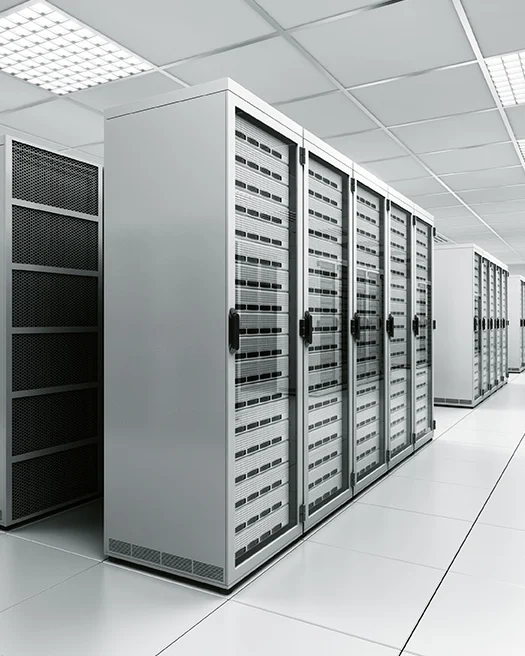
Why Air Cooling Can No Longer Keep Up
AI clusters, GPU servers and high-performance computing are increasing heat loads and rack densities beyond what conventional air cooling can efficiently support. As heat loads rise, organisations face higher energy consumption, thermal hotspots, reduced equipment performance and growing pressure to improve PUE.
Expanding cooling capacity within existing facilities can become costly and constrained by available space. For many organisations, data centre liquid cooling is now the most practical way to support increasing compute demands while maintaining reliability and operational efficiency.
How STULZ Delivers End-to-End Liquid Cooling
STULZ designs, integrates and supports complete liquid cooling solutions tailored to your environment. Whether you’re deploying direct-to-chip cooling, immersion cooling or coolant distribution unit (CDU) technology, our engineers manage the project from initial design through to commissioning and ongoing maintenance.
Our expertise spans thermal management and critical power, providing a single point of accountability for high-density data centre infrastructure.

Higher Rack Densities Without Thermal Throttling
Support higher rack densities while maintaining stable operating temperatures. This helps maximise server performance and reduce thermal throttling for demanding AI and high-performance computing workloads.
Lower Energy Use and Improved PUE
Liquid cooling transfers heat more efficiently than conventional air cooling. This reduces cooling energy consumption, improves PUE and helps lower the overall operating costs of high-density data centres.
Future-Ready for Next-Generation GPU Workloads
Prepare your infrastructure for increasingly demanding AI, machine learning and high-performance computing environments. Liquid cooling provides the scalability needed to accommodate increasing rack densities without frequent upgrades to cooling infrastructure.
Why Choose STULZ for Liquid Cooling?
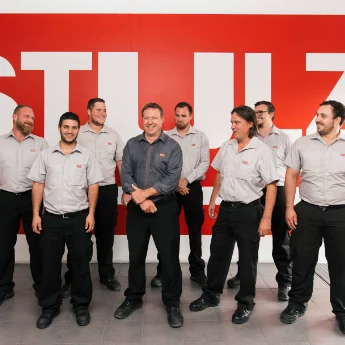
50+ Years of Precision Cooling Engineering
For more than 50 years, STULZ has specialised in mission-critical cooling for data centres worldwide. That experience spans precision air conditioning, chilled water systems, indirect cooling and high-density rack cooling. As cooling requirements change, customers can confidently transition to liquid cooling with support from an experienced engineering team with expertise in design, integration, commissioning and long-term lifecycle support.

Single-Source Power and Cooling Accountability
Unlike providers focused on cooling equipment alone, STULZ supports the broader critical infrastructure environment. Through its CENTIEL partnership, STULZ can coordinate liquid cooling with high-efficiency UPS and power protection requirements, giving customers one experienced partner across design, integration and lifecycle support. This reduces handover issues, simplifies accountability and helps ensure cooling and power systems work together from day one.

24/7 Local Engineers Across Australia and New Zealand
Our dedicated engineering teams provide local design expertise, commissioning, preventative maintenance and rapid service response throughout Australia and New Zealand. Customers work directly with experienced engineers from project design through to commissioning and ongoing support. This ensures consistent technical guidance, faster issue resolution and dependable service throughout the life of the installation.
Why Our Customers Choose STULZ for Liquid Cooling

Direct-to-Chip and Cold Plate Expertise
STULZ designs and integrates direct-to-chip and cold plate cooling solutions that efficiently remove heat at the processor level, helping maintain reliable performance as rack densities continue to increase.Coolant Distribution Unit (CDU) Design and Integration
Coolant distribution units (CDUs) are carefully specified and integrated to deliver reliable coolant flow, stable temperature control and dependable performance across liquid cooling infrastructure.Immersion Cooling for Ultra-High Density
Immersion cooling efficiently manages extreme thermal loads, making it well suited to ultra-high-density environments where conventional cooling methods can no longer meet performance requirements.Seamless Retrofit Into Existing Facilities
Liquid cooling can often be integrated into existing facilities without extensive infrastructure upgrades. Careful assessment and migration planning help simplify the transition and minimise operational disruption.Hybrid Air and Liquid Transition Planning
Not every workload requires liquid cooling immediately. STULZ designs hybrid environments that combine precision air conditioning with liquid cooling where it delivers the greatest performance benefit.Leak Detection and Coolant Management
Integrated leak detection, monitoring and coolant management systems help maintain reliable operation, reduce risk and protect critical IT equipment throughout the liquid cooling system lifecycle.Proven Across Data Centres, HPC and Enterprise IT
Our solutions are deployed across enterprise data centres and a wide range of industries, including healthcare, finance, telecommunications, manufacturing, mining, research and government.FAQs
What are liquid cooling solutions for data centres?
Liquid cooling solutions use circulating coolant rather than air to remove heat from servers and IT equipment. They enable higher rack densities, improved energy efficiency and more effective cooling for AI and high-performance computing workloads.
When should I switch from air cooling to liquid cooling?
If your rack densities continue to increase, cooling capacity is becoming constrained or AI deployments are increasing, it may be time to evaluate liquid cooling as part of your infrastructure strategy.
How does immersion cooling differ from direct-to-chip?
Direct-to-chip cooling removes heat directly from processors using cold plates, while immersion cooling submerges compatible hardware in specialised dielectric fluid for maximum heat transfer.
Can liquid cooling be retrofitted into an existing data centre?
Yes. Many facilities can incorporate liquid cooling alongside existing air-cooled infrastructure. STULZ assesses your environment and recommends the most practical migration approach.
How much energy can liquid cooling save?
Energy savings depend on system design and workload, but liquid cooling can significantly reduce cooling energy consumption and improve overall PUE compared with traditional air cooling.
What rack densities can STULZ liquid cooling support?
Supported rack densities depend on the selected cooling architecture and workload. STULZ designs solutions for high-density AI, GPU and HPC environments based on your performance requirements.
Is liquid cooling safe around live IT equipment?
Yes. Professionally engineered liquid cooling systems incorporate sealed circuits, monitoring, leak detection and redundant controls to maintain safe, reliable operation.
How do I start a liquid cooling project with STULZ?
Contact our engineering team to arrange a site assessment. We’ll evaluate your infrastructure, cooling requirements and future capacity plans before recommending the most appropriate solution.