
AI & High-Density Compute Cooling Solutions
Support demanding AI, GPU and high-density computing workloads with cooling solutions engineered for reliable performance at extreme rack densities.
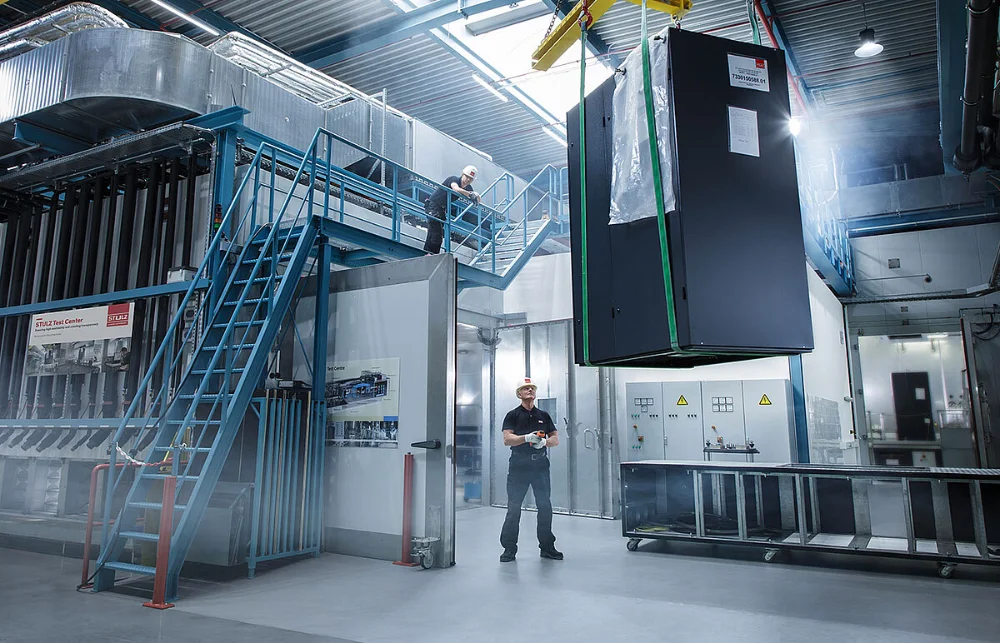
How STULZ Keeps AI and GPU Infrastructure Running Efficiently

AI Racks Are Outpacing Traditional Cooling
AI infrastructure places different demands on cooling than traditional enterprise workloads. GPU clusters generate sustained thermal loads and consume significant amounts of power, placing constant pressure on cooling systems.
As AI deployments expand, organisations need cooling infrastructure that can support higher rack densities, maintain reliable performance and scale efficiently without compromising operational resilience.
How STULZ Cools Dense AI and GPU Workloads
STULZ designs cooling solutions for high-density compute environments using precision air conditioning, liquid cooling and hybrid cooling strategies. Our engineers assess your infrastructure, workloads and cooling requirements before designing a solution that suits your environment.
From integration and commissioning through to ongoing support, we help organisations deploy cooling infrastructure that can scale as AI and GPU workloads continue to grow.

Support for Racks Beyond 100 kW
Cooling solutions are designed to support rack densities beyond 100 kW, helping organisations confidently deploy AI infrastructure while maintaining stable operating temperatures and reliable system performance.
Stable Performance for GPU Training Clusters
Consistent temperature control helps maintain reliable GPU performance during intensive AI model training and high-performance computing workloads. This reduces the risk of thermal throttling and unexpected interruptions.
Lower Energy Use at Extreme Density
Efficient heat removal helps reduce cooling energy requirements, improve PUE and lower operating costs as rack densities continue to increase.
Why Choose STULZ for AI Cooling?

Precision Cooling Built for Mission-Critical Loads
For more than 50 years, STULZ has engineered cooling solutions for mission-critical environments worldwide. That expertise helps organisations address the higher rack densities and thermal loads created by AI and GPU infrastructure. From precision air conditioning to liquid cooling, every solution is designed for demanding compute environments.
Integrated Power and Cooling From One Partner
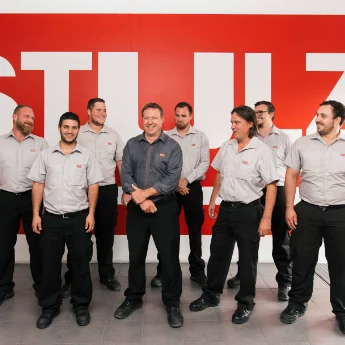
AI infrastructure places increasing demands on both cooling and power. Through its partnership with CENTIEL, STULZ helps organisations coordinate critical power and cooling as a single infrastructure solution. Customers benefit from one experienced partner across design, integration, commissioning and ongoing support, simplifying project delivery while helping ensure both systems operate reliably together.
Local ANZ Engineering and 24/7 Support
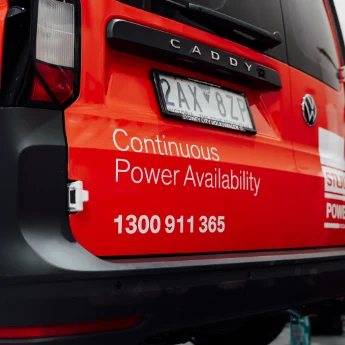
Whether deploying new AI infrastructure or expanding existing capacity, access to experienced engineers is essential. Dedicated teams across Australia and New Zealand provide design expertise, commissioning, preventative maintenance and responsive service, giving customers practical technical guidance and dependable local support throughout the life of the installation.
Why Our Customers Choose STULZ for AI & High-Density Compute Cooling

Liquid and Direct-to-Chip Cooling for GPUs
Liquid and direct-to-chip cooling solutions efficiently remove heat from high-power processors. This supports reliable GPU performance and increasing rack densities without relying solely on conventional air cooling.Hybrid Air and Liquid Design for Mixed Fleets
Hybrid cooling designs combine air and liquid technologies, allowing existing and next-generation infrastructure to operate efficiently within the same data centre environment.Scalable Capacity for Growing AI Clusters
Cooling infrastructure can scale alongside growing AI deployments, supporting additional compute capacity without requiring major changes to the wider cooling environment.Immersion Cooling for Ultra-High Density
Immersion cooling provides a pathway for dense GPU deployments where rack-level heat loads exceed the practical limits of air or direct-to-chip designs. It supports compact, high-capacity compute environments.Precision Control of Temperature and Humidity
Precise environmental control helps maintain stable temperatures and humidity levels. This supports reliable equipment operation and protects sensitive IT infrastructure from changing operating conditions.Energy Optimisation and PUE Reduction
Efficient cooling strategies help reduce energy consumption, improve PUE and support lower operating costs without compromising cooling performance across high-density computing environments.Proven Across Hyperscale, HPC and Enterprise AI
Extensive experience supporting AI, enterprise and high-performance computing environments helps organisations deploy cooling infrastructure that delivers reliable performance, supports future growth and protects critical IT equipment.FAQs
Why does AI hardware need specialised cooling?
AI servers generate significantly more heat than traditional enterprise IT because GPUs operate at much higher power densities and often run continuously under heavy workloads. Specialised cooling helps maintain stable operating temperatures, maximise performance, reduce thermal throttling and protect critical infrastructure.
How many kW per rack can STULZ cool?
Depending on the cooling strategy and application, STULZ solutions support AI environments exceeding 100 kW per rack. Our engineers assess your workloads, rack densities and facility requirements before recommending the most appropriate cooling approach.
Do AI racks require liquid cooling?
Not always. Lower-density AI deployments may still be supported using precision air conditioning. As rack densities increase, liquid or hybrid cooling often provides a more effective way to remove heat while maintaining reliable system performance.
Can I mix air-cooled and liquid-cooled racks?
Yes. Many organisations operate mixed environments where existing air-cooled infrastructure runs alongside newer liquid-cooled AI racks. STULZ designs hybrid cooling solutions that support both technologies while allowing future AI capacity to be added as requirements grow.
How does high-density cooling affect energy costs?
Efficient cooling removes heat more effectively while reducing the energy required to cool high-density IT equipment. Selecting the right cooling strategy can improve PUE, lower operating costs and support reliable performance as compute densities increase.
Can STULZ cooling scale as my AI cluster grows?
Yes. STULZ designs cooling infrastructure to support future expansion. Whether you’re increasing rack densities or deploying additional AI capacity, our solutions can scale with your environment while maintaining reliable cooling performance.
What cooling do NVIDIA GPU racks require?
Cooling requirements depend on the GPU platform, rack density and power consumption. Lower-density deployments may be supported with precision air conditioning, while higher-density NVIDIA GPU racks often benefit from direct-to-chip, liquid or hybrid cooling solutions. STULZ recommends the most appropriate cooling strategy based on your infrastructure and workload requirements.
How do I start an AI cooling project with STULZ?
Every project begins with an assessment of your workloads, rack densities and facility requirements. STULZ engineers recommend the most appropriate cooling strategy and provide support from design and integration through to commissioning, preventative maintenance and ongoing lifecycle services.