
Cooling Efficiency & Cost Reduction for Data Centres and Critical Facilities
Reduce cooling energy consumption and operating costs without compromising equipment protection. STULZ helps critical facilities improve cooling efficiency through targeted upgrades, modern controls and energy-efficient cooling technology.
Where Cooling Energy Is Being Wasted in Your Facility
Cooling Sized for Peak Load but Running at Part Load All Year
Many data centre cooling systems are designed for maximum capacity but spend much of their operating life at lower loads. Older fans, fixed-speed compressors, inefficient airflow and poorly coordinated units can consume more electricity than necessary.
As IT loads change, cooling systems may continue operating to their original settings, wasting energy and increasing costs without improving equipment protection.
A Staged Path From Measurement to Retrofit to Free Cooling
Improving data centre cooling efficiency does not always require replacing existing equipment. STULZ identifies opportunities to reduce energy consumption through adjustments to temperature settings, airflow management, controls and targeted component upgrades.
Where greater savings are possible, the approach can extend to free cooling or replacement with higher-efficiency systems. Each improvement is assessed against the site’s operating requirements, expected savings and investment costs, allowing upgrades to be prioritised without compromising cooling capacity.

Lower Electricity Bills Without Giving Up Cooling Capacity
Reducing unnecessary fan, compressor and cooling plant operation lowers electricity consumption while maintaining the capacity needed to protect critical equipment. Savings can be measured against existing energy use and operating costs.
PUE and NABERS Improvements You Can Report to the Board
Lower cooling energy consumption can improve Power Usage Effectiveness (PUE) and support better NABERS Energy performance where applicable. Measured results provide evidence of efficiency improvements for management and sustainability reporting.
More Years From Existing Units Instead of Full Replacement
An EC fan retrofit, controls upgrade or targeted component replacement can improve the performance of existing cooling equipment. This may extend useful service life and defer the cost of complete system replacement.
Why Facility Managers Trust STULZ With Efficiency Projects
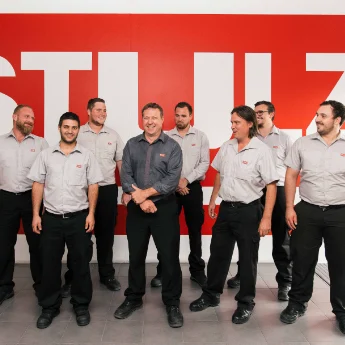
50+ Years Engineering Precision Cooling, With Measurable Efficiency Improvements
STULZ has more than 50 years of experience engineering precision cooling for critical environments. Its approach considers the complete cooling system, including airflow, controls, equipment performance and changing IT loads.
Energy consumption can be measured before and after improvements to establish actual savings rather than relying on theoretical performance figures.
STULZ technologies include tandem compressor configurations and indirect free cooling solutions, including GES systems for applications above 100 kW. Temperature optimisation can also be assessed against ASHRAE’s recommended 18°C to 27°C IT equipment inlet temperature range.

Cooling and UPS Losses Cut Together, With UPS Running at Up to 99% in Economy Mode
Cooling efficiency is also affected by the heat generated from electrical infrastructure. STULZ Oceania supplies CENTIEL UPS technology alongside precision cooling, allowing both sources of energy loss to be considered within one improvement programme.
CENTIEL UPS systems achieve up to 97.1% efficiency in online double-conversion mode and up to 99% in economy mode. Reducing UPS losses also reduces the heat that cooling systems must remove, delivering additional efficiency benefits.
Local Engineers Who Retrofit Live Sites Without Downtime
Efficiency improvements must be planned around the operational requirements of critical facilities. STULZ Oceania’s engineers can assess existing equipment, identify suitable retrofit options and plan upgrades to minimise disruption.
Work can be staged around available cooling redundancy and maintenance windows, helping facilities remain operational throughout the programme.
Local engineers, spare parts and 24/7 technical support across Australia and New Zealand provide ongoing support after installation.
Seven Ways to Cut Cooling Energy, From Quick Wins to Capital Upgrades

Raising Supply Air Temperature Within ASHRAE Limits
Raising cooling set points can reduce unnecessary refrigeration while maintaining recommended temperatures at IT equipment inlets. Suitable for sites with conservative settings, this is often a low-cost controls adjustment.Sealing Bypass Airflow With Hot or Cold Aisle Containment
Separating hot and cold air reduces mixing and prevents cooled air from bypassing equipment. Suitable for facilities with airflow inefficiencies, improvements range from sealing gaps to installing aisle containment.Retrofitting EC Fans to Legacy CRAC and CRAH Units
An EC fan retrofit replaces older fan technology with more efficient, controllable motors. Suitable for compatible legacy cooling units, it involves targeted component upgrades rather than complete equipment replacement.Upgrading to Inverter or Tandem Compressors
Variable-capacity compressors adjust cooling output to changing loads, reducing inefficient cycling and unnecessary energy use. Suitable for systems with variable demand, these upgrades require equipment compatibility assessment and mechanical work.Sequencing Units With Supervisory Load-Sharing Controls
Supervisory controls coordinate multiple cooling units to match actual demand and avoid unnecessary simultaneous operation. Suitable for facilities with several units, installation involves controls integration and commissioning.Adding Indirect Free Cooling
Indirect free cooling uses suitable outdoor conditions to reduce mechanical refrigeration without introducing outside air into the IT environment. Suitable for larger facilities, it requires additional cooling infrastructure and integration.Replacing End-of-Life Units With High-Efficiency Models
Where existing equipment is ageing or inefficient, energy efficient precision cooling can provide better part-load performance and modern controls. Replacement involves greater capital investment but can deliver longer-term savings.FAQs
How much of a data centre's energy is used by cooling?
The proportion varies depending on facility design, IT load, climate and cooling technology. Cooling is a significant source of non-IT energy consumption, making it an important opportunity for reducing operating costs.
What are the quickest ways to reduce data centre cooling costs?
Reviewing temperature set points, correcting airflow problems and improving equipment sequencing can deliver savings without major capital investment. The best starting point depends on how the existing cooling system operates.
Can existing CRAC units be upgraded rather than replaced?
Yes. Depending on equipment condition and compatibility, a CRAC unit upgrade may include EC fans, improved controls or other components. Retrofitting can improve efficiency and extend service life without replacing the entire unit.
Do efficiency upgrades affect equipment warranties?
Warranty implications depend on the equipment, its age and the modifications proposed. STULZ can review compatibility and warranty requirements before recommending retrofit work.
Does free cooling work in Australian and New Zealand climates?
Yes, although potential savings vary by location and system design. Free cooling is most effective when outdoor conditions allow mechanical refrigeration demand to be reduced for significant periods.
How does better cooling efficiency affect PUE and NABERS ratings?
Reducing cooling electricity consumption lowers facility energy use relative to IT energy demand, which can improve PUE. It may also contribute to improved NABERS Energy performance where the facility is eligible and assessed under the relevant rating methodology.
What payback period should I expect from a cooling efficiency upgrade?
Payback depends on the cost of the upgrade, existing equipment performance, operating hours and electricity prices. STULZ can assess projected energy savings against capital costs to help prioritise investments.
Can efficiency upgrades be completed without taking the site offline?
Many upgrades can be staged while a facility remains operational, depending on available cooling redundancy and site conditions. Work must be planned to maintain adequate cooling capacity throughout installation and commissioning.
How does UPS efficiency affect the cooling load?
UPS losses generate heat that must be removed by the cooling system. Improving UPS efficiency reduces electrical losses and the associated cooling demand.
How do I start a cooling efficiency assessment with STULZ?
Contact STULZ Oceania to discuss your existing cooling equipment, energy consumption and operating requirements. An engineer can identify suitable improvements and recommend a staged approach.