
Uptime & Business Continuity Solutions for Mission-Critical Operations
Keep critical operations available through power disruptions, equipment faults and maintenance with resilient power and cooling solutions designed to minimise downtime.
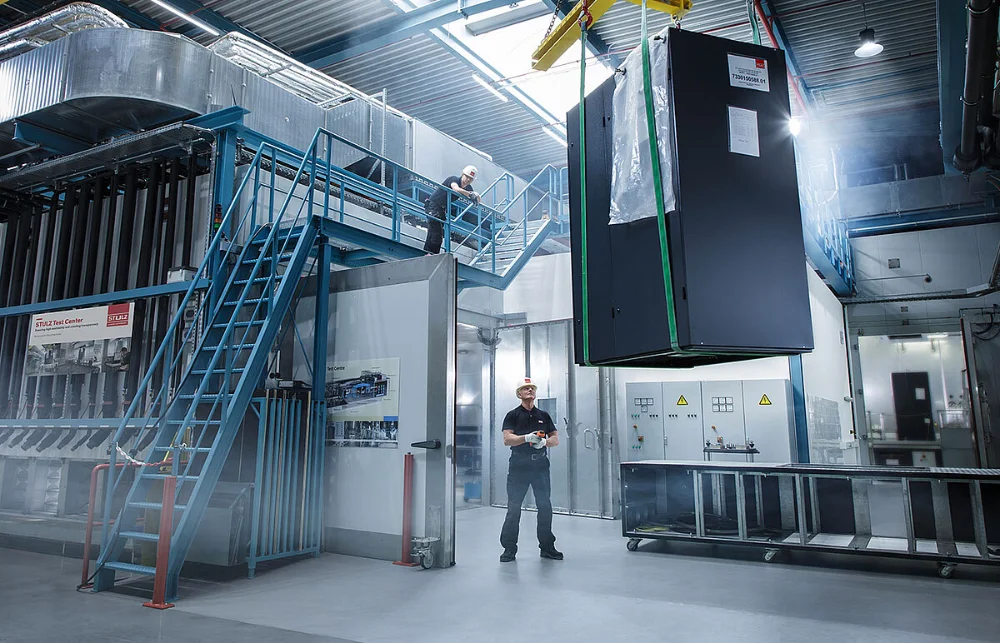
How STULZ Protects Uptime and Keeps Operations Running
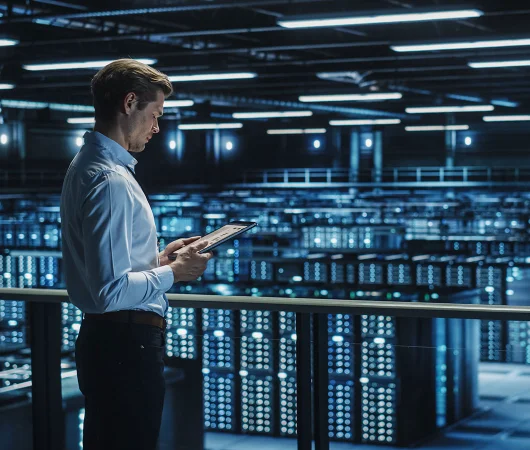
Why Downtime Costs More Than Ever
For data centres and other mission-critical operations, even a short outage can have significant consequences. Power failures, cooling faults and equipment breakdowns can interrupt services, affect customers and employees, compromise critical processes and create substantial recovery costs. As organisations become more dependent on always-on digital infrastructure, maintaining availability requires more than reliable equipment. Critical systems need to be designed to withstand faults, maintenance and unexpected disruption.
How STULZ Engineers Continuous Availability
STULZ designs uptime and business continuity solutions around the availability requirements of each facility. By bringing critical power, precision cooling, redundancy and ongoing support together, we help organisations reduce infrastructure risks that can lead to downtime. Solutions can incorporate fault-tolerant UPS architecture and redundant cooling, providing the resilience needed to maintain critical operations when individual components are unavailable or require maintenance.

Fault-Tolerant Power That Reduces Single Points of Failure
CENTIEL modular UPS technology uses Distributed Active Redundant Architecture (DARA) to minimise common single points of failure and maintain power availability when individual components experience a fault.
Precision Cooling That Prevents Thermal Shutdowns
STULZ precision cooling continuously manages heat from critical equipment, helping maintain stable operating conditions and reduce the risk of overheating, equipment faults and unexpected shutdowns.
Rapid Response That Minimises Recovery Time
When equipment issues occur, experienced local engineers can respond quickly to restore normal operation, minimise disruption and maintain the resilience of critical infrastructure.
Why Choose STULZ for Uptime & Business Continuity?
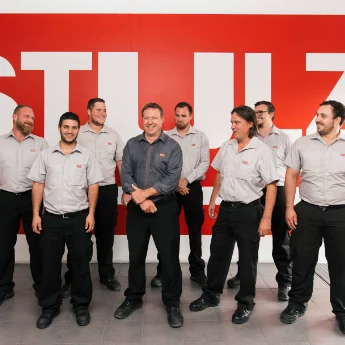
50+ Years of Mission-Critical Reliability
For more than 50 years, STULZ has supported environments where infrastructure failure can have serious operational consequences. Our engineers assess critical loads, cooling requirements, redundancy, capacity and potential points of failure before recommending a solution. This experience allows us to design business continuity solutions around the level of availability each organisation requires, while considering future capacity, maintainability and long-term infrastructure performance.

Single-Source Power and Cooling Accountability
Power and cooling failures can both bring critical operations to a halt, which is why STULZ considers them as connected parts of the resilience strategy. With expertise across critical power and precision cooling, we provide one engineering partner for design, commissioning, maintenance and ongoing support. This simplifies accountability and helps ensure both systems work together to support mission-critical availability.
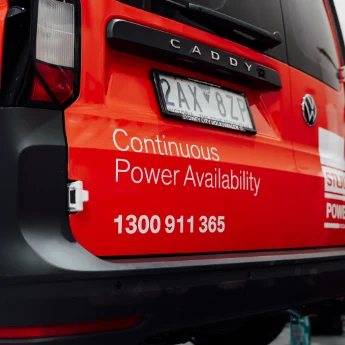
24/7 Local Engineers Across Australia and New Zealand
Infrastructure resilience depends on what happens after installation as much as the initial design. STULZ provides preventive maintenance, technical expertise and 24/7 support across Australia and New Zealand. Our local engineers help maintain system performance, identify developing issues and respond quickly when faults occur, helping customers reduce downtime and protect critical operations throughout the equipment lifecycle.
Why Our Customers Choose STULZ for Uptime & Business Continuity

Distributed Active Redundant Architecture for Fault Tolerance
CENTIEL’s DARA technology distributes critical UPS functions to reduce common single points of failure, helping maintain power to essential equipment if an individual component fails.Up to 97.1% Efficiency Without Compromising Resilience
CENTIEL UPS technology delivers online double-conversion efficiency of up to 97.1%, helping reduce energy losses and operating costs without compromising power protection.N+1 and 2N Configurations for Concurrent Maintainability
Power and cooling can be designed with N+1 or 2N redundancy. This allows maintenance or equipment faults to be managed while sufficient capacity remains available to support critical operations.Integrated Power and Cooling Designed for Resilience
STULZ brings UPS and precision cooling expertise together, allowing both sides of critical infrastructure to be designed around common availability, redundancy and operational requirements.Monitoring and Preventive Maintenance
System monitoring and regular preventive maintenance help identify changes in equipment condition and performance, allowing potential problems to be addressed before they develop into outages.Rapid Response Backed by Local Engineers
When an issue requires intervention, STULZ customers have access to local engineering expertise across Australia and New Zealand, helping minimise recovery time and restore full system resilience.Proven Across Mission-Critical Industries
STULZ supports critical infrastructure across data centres, healthcare, financial services, telecommunications, government and industry, where reliable power and cooling are essential to business continuity.FAQs
What is the link between uptime and business continuity?
Uptime measures how consistently critical infrastructure remains available. Business continuity considers how an organisation maintains essential operations during and after disruption. Resilient power and cooling help connect the two by reducing infrastructure-related outages and supporting continuous operation.
How much does data centre downtime cost?
The cost varies significantly depending on the facility, organisation and length of the outage. Beyond lost productivity or revenue, downtime can result in service disruption, recovery costs, reputational damage and impacts on customers.
How do UPS and cooling systems protect uptime?
UPS systems maintain power when the primary supply is interrupted, while precision cooling keeps critical equipment within the required operating conditions. Redundancy across both systems can provide additional protection if equipment fails or requires maintenance.
What is the difference between N+1 and 2N redundancy?
N+1 provides the capacity required to support the load plus one additional component or unit. A 2N configuration provides two independent systems, with each capable of supporting the required load.
How does concurrent maintainability improve availability?
Concurrent maintainability allows individual equipment or infrastructure components to undergo planned maintenance without shutting down the critical load. Appropriate redundancy is required to maintain capacity while equipment is offline.
How does STULZ monitoring help prevent outages?
Monitoring provides visibility into equipment performance, operating conditions and alarms. Combined with preventive maintenance, this can help identify developing issues so they can be addressed before they result in unexpected downtime.
What response times does STULZ offer across ANZ?
STULZ provides 24/7 support across Australia and New Zealand. Response arrangements can vary depending on location, equipment and service agreement, so STULZ can recommend an appropriate support model based on your site’s requirements.
How do I improve uptime and business continuity with STULZ?
Start by assessing your current power and cooling infrastructure, critical loads, redundancy and potential points of failure. STULZ engineers can identify vulnerabilities and recommend improvements to strengthen availability and resilience.